
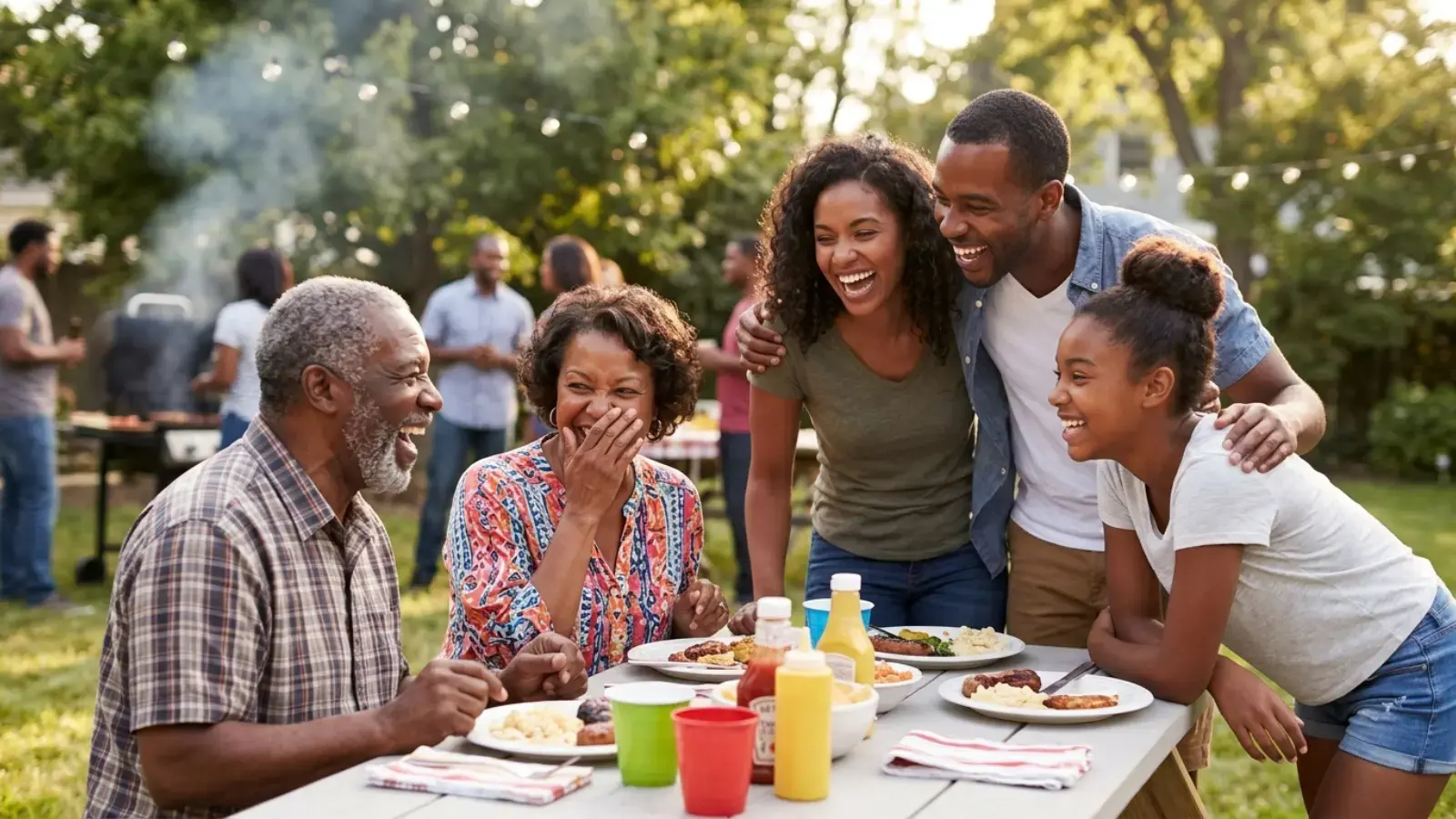
A joke can feel small. A quick laugh. A tiny spark in a group chat.
But sometimes, that spark lands on dry grass.
When someone searches for “black people racist joke”, they might be looking for humor. Or shock value. Or curiosity. But underneath that search is something much deeper — the history of race, the psychology of prejudice, and the real emotional weight words can carry.
This article isn’t here to shame or scold. It’s here to unpack. To gently hold up a mirror. To talk about why racist jokes targeting Black people aren’t harmless punchlines — and what we can do instead.
Let’s talk about it with honesty, warmth, and courage.
Understanding black people racist joke and Its Real-World Impact
-
🧠 Words shape beliefs, even when disguised as humor.
-
💬 Repeated jokes normalize harmful racial stereotypes.
-
📚 History makes racial humor deeply sensitive.
-
🎭 Comedy can reinforce unconscious bias patterns.
-
😔 Targets of jokes often feel isolated.
-
👀 Bystanders learn what behavior is “acceptable.”
-
🔁 Microaggressions build through repeated “small” comments.
-
🏫 Young audiences absorb racial narratives quickly.
-
💔 Laughter doesn’t cancel emotional damage.
-
🧩 Stereotypes simplify complex human identities.
-
🌍 Racist humor affects community trust.
-
⚖️ Social norms shift when prejudice feels funny.
-
📱 Online platforms amplify harmful content fast.
-
❤️ Empathy breaks the cycle more than silence.
The Hidden History Behind black people racist joke Conversations
-
📜 Racial caricatures date back centuries.
-
🎪 Minstrel shows mocked Black identity publicly.
-
📺 Media once normalized offensive portrayals.
-
🗞️ Printed cartoons spread harmful imagery.
-
🎤 Early stand-up included racial punchlines.
-
🏛️ Segregation amplified stereotype-driven humor.
-
📖 Colonial narratives shaped racist tropes.
-
🧱 Structural racism fueled comic “themes.”
-
🎥 Film industries recycled biased characters.
-
📰 News media once echoed stereotypes.
-
🧑🏾🤝🧑🏿 Generations inherited distorted portrayals.
-
🧠 Bias often hides in cultural memory.
-
🔍 Context matters when evaluating humor.
-
🌱 Awareness begins with understanding history.
Why black people racist joke Humor Isn’t “Just a Joke”
-
😅 “Just joking” dismisses real feelings.
-
🧠 Humor lowers critical thinking defenses.
-
📣 Laughter spreads messages faster than lectures.
-
🎯 Punchlines often target identity traits.
-
🛑 Harm doesn’t require malicious intent.
-
🔄 Repetition cements stereotype associations.
-
👂 Listeners internalize implied messages.
-
🧍 Targets rarely feel safe speaking up.
-
🫥 Silence may mask discomfort.
-
🤝 Social pressure forces fake laughter.
-
📊 Studies link humor to bias reinforcement.
-
🧩 Stereotypes simplify diverse communities.
-
💡 Intent and impact are different.
-
❤️ Accountability strengthens relationships.
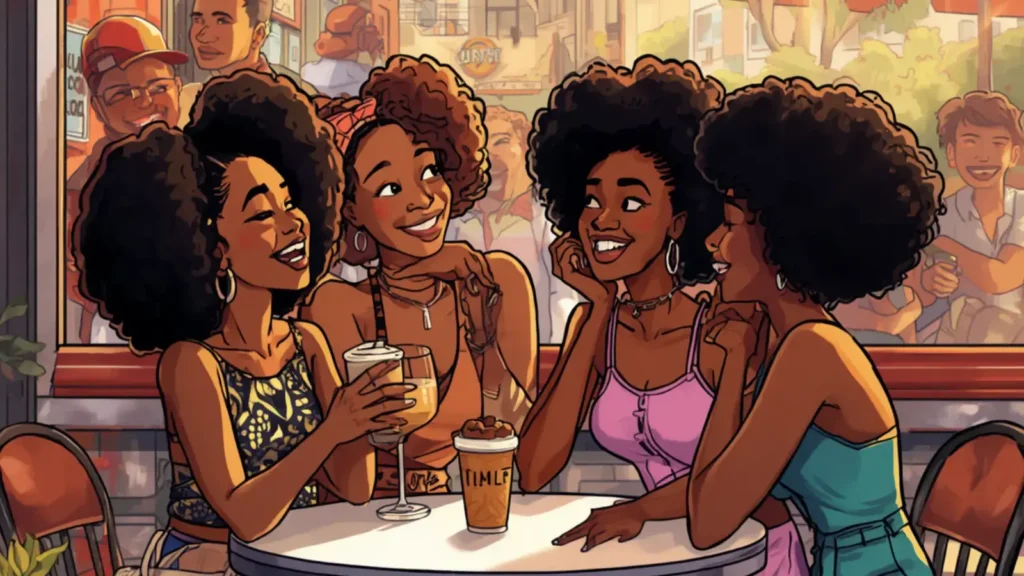
The Emotional Weight of black people racist joke Experiences
-
😔 Embarrassment often hits instantly.
-
💭 Overthinking follows the moment.
-
🫀 Stress responses activate quickly.
-
🧠 Memory stores painful incidents.
-
😶 Isolation grows in unsafe spaces.
-
🧍 Confidence may quietly shrink.
-
📉 Belonging can feel threatened.
-
💬 Emotional labor increases daily.
-
🔒 Vulnerability becomes guarded.
-
😤 Anger may feel unsafe to express.
-
😢 Sadness lingers longer than laughter.
-
🧩 Identity feels unfairly reduced.
-
🌧️ Repeated incidents compound harm.
-
🌻 Healing requires validation and support.
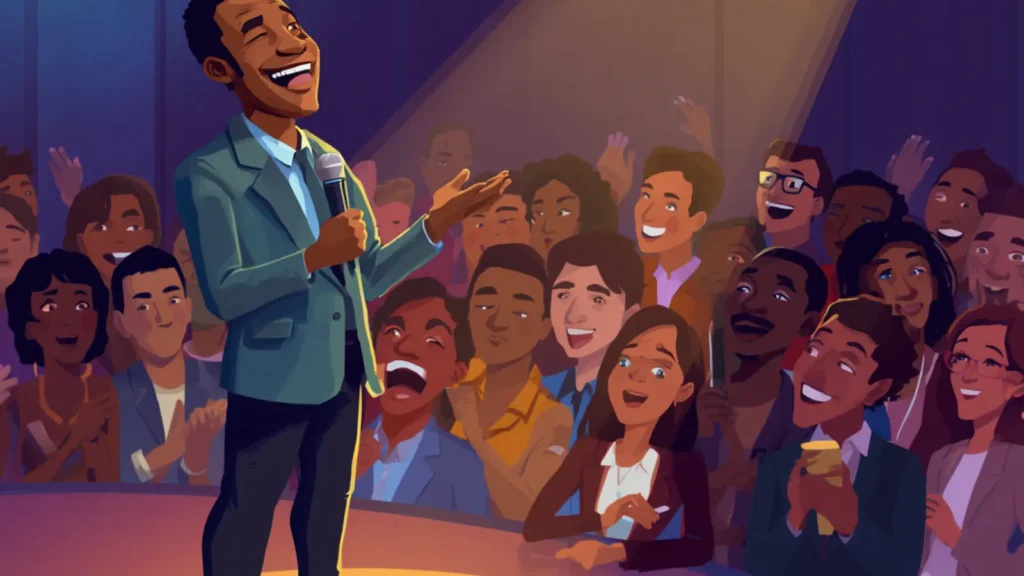
Social Media and black people racist joke Culture
-
📱 Algorithms reward engagement, not empathy.
-
🔁 Viral content spreads rapidly.
-
🎥 Short videos amplify stereotypes fast.
-
💬 Comment sections escalate negativity.
-
🧠 Repetition normalizes harmful humor.
-
🧍 Anonymity reduces accountability.
-
📊 Trends mask individual harm.
-
🧨 Shock value boosts visibility.
-
🧒 Young users consume content daily.
-
💡 Digital literacy matters deeply.
-
🚫 Reporting tools exist but underused.
-
🔍 Context disappears in clipped posts.
-
🌍 Global audiences widen impact.
-
❤️ Responsible sharing protects communities.
How to Respond When black people racist joke Appears
-
🧘 Pause before reacting emotionally.
-
💬 Ask, “What did you mean?”
-
🪞 Reflect impact calmly.
-
🛑 State boundaries respectfully.
-
🤝 Invite conversation, not combat.
-
📚 Share educational resources gently.
-
👂 Listen without immediate judgment.
-
💡 Suggest alternative humor styles.
-
🧍 Support those affected privately.
-
🚫 Refuse to participate in laughter.
-
📢 Use your voice when safe.
-
🧠 Focus on impact over intent.
-
🪴 Model inclusive humor.
-
❤️ Choose courage over comfort.
Teaching Young Minds About black people racist joke Awareness
-
🧒 Explain stereotypes simply.
-
📖 Share diverse stories and books.
-
🗣️ Encourage open dialogue.
-
🎨 Celebrate cultural richness.
-
🧠 Teach critical thinking skills.
-
🎭 Discuss media representation honestly.
-
💬 Practice empathy exercises.
-
🤝 Model respectful language daily.
-
🏫 Schools can reinforce inclusion.
-
🧩 Challenge biased assumptions kindly.
-
📱 Guide digital behavior responsibly.
-
🫶 Praise inclusive humor.
-
🧠 Normalize curiosity without shame.
-
🌱 Plant seeds of compassion early.
Comedy, Boundaries, and black people racist joke Lines
-
🎤 Great comedy punches up, not down.
-
🎯 Targeting power differs from targeting identity.
-
🧠 Smart humor challenges injustice.
-
💬 Context defines acceptability.
-
🤝 Consent matters in edgy humor.
-
🧩 Identity-based jokes risk harm.
-
📚 Comedians evolve with culture.
-
🧠 Awareness improves creativity.
-
🎭 Satire requires clear intent.
-
🛑 Harmful tropes age poorly.
-
💡 Inclusive comedy expands audiences.
-
🎤 Self-deprecating humor differs ethically.
-
📊 Audience diversity matters.
-
❤️ Kindness enhances wit.
Schools and Workplaces Facing black people racist joke Situations
-
🏫 Policies protect student dignity.
-
🧑💼 HR guidelines address discrimination.
-
📜 Codes of conduct clarify expectations.
-
🧠 Training reduces unconscious bias.
-
💬 Reporting channels must feel safe.
-
🧍 Leadership sets behavioral tone.
-
🤝 Peer support builds inclusion.
-
📊 Surveys reveal hidden issues.
-
🛑 Swift responses prevent escalation.
-
🧩 Diversity programs encourage dialogue.
-
📚 Workshops promote cultural competence.
-
🫶 Mentorship fosters belonging.
-
🌍 Global teams need sensitivity.
-
❤️ Respect strengthens productivity.
Mental Health and black people racist joke Exposure
-
🧠 Chronic stress impacts wellbeing.
-
🫀 Anxiety may increase over time.
-
😔 Depression risk can rise.
-
🧍 Social withdrawal becomes tempting.
-
💭 Rumination prolongs emotional pain.
-
🛑 Safe spaces reduce harm.
-
👩🏾⚕️ Therapy supports coping strategies.
-
🤝 Community buffers stress.
-
🌿 Mindfulness eases tension.
-
🧩 Naming harm validates feelings.
-
💬 Open dialogue promotes healing.
-
🛌 Rest restores resilience.
-
📚 Education empowers self-advocacy.
-
❤️ Compassion supports recovery.
Allyship in the Face of black people racist joke Moments
-
🤝 Speak up when others can’t.
-
👂 Listen without defensiveness.
-
📚 Educate yourself independently.
-
🧠 Reflect on personal bias.
-
💬 Amplify marginalized voices.
-
🛑 Interrupt harmful conversations.
-
🧍 Stand beside, not above.
-
📱 Challenge online prejudice respectfully.
-
🧩 Avoid centering yourself.
-
💡 Encourage inclusive humor.
-
🧒 Model behavior for youth.
-
📖 Share accurate cultural narratives.
-
🌍 Support equitable policies.
-
❤️ Practice consistent empathy.
Repairing Harm After black people racist joke Incidents
-
🧎 Acknowledge wrongdoing clearly.
-
💬 Apologize without excuses.
-
🧠 Show understanding of impact.
-
🛑 Avoid minimizing feelings.
-
📚 Commit to education.
-
🤝 Ask how to repair trust.
-
🧩 Change future behavior.
-
⏳ Allow space for healing.
-
💭 Reflect on root beliefs.
-
👂 Accept feedback gracefully.
-
🧍 Demonstrate growth publicly.
-
📖 Learn historical context.
-
🌱 Build better habits.
-
❤️ Repair through consistent action.
Laws, Policies, and black people racist joke Accountability
-
⚖️ Hate speech laws vary globally.
-
🏛️ Civil rights protect against discrimination.
-
🧑💼 Workplace harassment policies apply.
-
📚 Schools enforce anti-bullying codes.
-
🛑 Platforms moderate harmful content.
-
📊 Documentation strengthens complaints.
-
🤝 Mediation may resolve conflicts.
-
🧠 Intent rarely overrides impact legally.
-
📜 Organizational culture influences enforcement.
-
🧍 Public accountability shapes norms.
-
💬 Freedom of speech has limits.
-
🌍 International standards differ widely.
-
🧩 Legal awareness empowers individuals.
-
❤️ Justice supports safer communities.
Moving Beyond black people racist joke Toward Inclusive Humor
-
🌈 Celebrate diversity creatively.
-
🎭 Explore situational comedy instead.
-
🧠 Highlight shared human experiences.
-
💬 Use observational humor wisely.
-
🤝 Invite laughter without exclusion.
-
📖 Tell stories, not stereotypes.
-
🧩 Replace tropes with truth.
-
🌍 Learn from diverse comedians.
-
🧒 Teach kindness through play.
-
📱 Share uplifting content.
-
💡 Innovation beats outdated jokes.
-
🎤 Encourage respectful satire.
-
🧠 Humor can heal divides.
-
❤️ Laughter shines brightest when inclusive.
FAQ: Understanding Searches Around black people racist joke
1. Why do people search for “black people racist joke” online?
Search behavior often reflects curiosity, shock value interest, or exposure to online trends. Some users may not fully understand the historical weight behind racist humor. Others may be researching cultural discussions about race and comedy. Search engines capture raw human curiosity — both healthy and harmful. It’s important to approach such searches with awareness and empathy, using them as opportunities for education and reflection rather than reinforcement of stereotypes.
2. Are racist jokes protected under freedom of speech?
Freedom of speech laws vary by country. In many places, speech is protected, but harassment, discrimination, or hate speech may cross legal boundaries. Workplaces, schools, and digital platforms also have their own codes of conduct. Even when something is technically legal, it can still be harmful. Ethical responsibility goes beyond legal protection.
3. Why do racist jokes hurt even if someone says they’re “just kidding”?
Humor lowers defenses and spreads ideas quickly. When jokes rely on stereotypes, they reinforce simplified and often negative narratives about a racial group. The intent may not be malicious, but the impact can still cause embarrassment, stress, or exclusion. Emotional harm does not require malicious intent.
4. How can someone respond calmly to a racist joke?
Pause before reacting. Ask clarifying questions like, “What do you mean by that?” State how it makes you feel without attacking. Focus on the impact rather than accusing intent. If needed, step away and revisit the conversation later. Calm boundaries often carry more power than confrontation.
5. Can comedy ever address race in a healthy way?
Yes. Thoughtful comedy can challenge power structures, highlight injustice, and explore identity with nuance. The difference lies in whether humor punches down at marginalized groups or critiques systems of inequality. Context, intent, and audience all matter deeply.
6. What role does social media play in spreading racist humor?
Social platforms reward engagement, which often favors shock value. Viral clips may remove context and amplify stereotypes. Anonymity reduces accountability, and repetition normalizes harmful tropes. Digital literacy and responsible sharing are essential in breaking these cycles.
7. How does repeated exposure to racist jokes affect mental health?
Chronic exposure can increase stress, anxiety, and feelings of exclusion. Over time, repeated microaggressions can impact self-esteem and sense of belonging. Safe communities, supportive conversations, and professional mental health support can help buffer these effects.
8. How can parents talk to kids about racist jokes?
Use simple language to explain fairness and respect. Encourage empathy by asking how they would feel in a similar situation. Share diverse stories and positive representation. Model inclusive humor and gently correct biased statements without shame.
Conclusion: Choosing Better Than black people racist joke
Humor is powerful. It can build bridges or burn them.
When someone types “black people racist joke”, they stand at a crossroads — one path leads to recycled stereotypes, the other toward growth, awareness, and kinder laughter.
We can’t rewrite history overnight. But we can choose what we laugh at. We can choose empathy over indifference. We can choose jokes that bring people together instead of pushing them apart.
Because the best kind of humor?
It doesn’t leave anyone outside the circle.
Your daily dose of viral memes, savage humor, and trending Gen-Z entertainment.